
Views: 0 Author: Site Editor Publish Time: 2026-02-03 Origin: Site


Why do pharmaceutical brands trust specialized FIBCs for safety and purity? Pharmaceutical-grade bulk bags offer protection that standard FIBCs cannot match, especially in contamination control and material integrity. These features matter even more when using solutions like pharmaceutical-grade fibc or cleanroom certified fibc bags from Jebic Packaging, designed to support strict compliance needs. In this article, you will learn how pharmaceutical-grade bulk bags differ from other FIBCs and what to consider when choosing the right fibc for sensitive materials. Learn more about our products.
Pharmaceutical-grade FIBCs begin with a compliance-driven design philosophy. Every material, component, and production step must align with GMP principles and documented quality requirements. These bags are engineered not only to carry product but also to meet expectations for cleanliness, consistency, and risk control. Standard bulk bags, in contrast, prioritize durability and cost-efficiency, often without the same level of documentation or regulatory scrutiny. This distinction shapes the entire lifecycle of the bag—from raw material selection and seam construction to labeling and traceability systems. Suppliers with decades of experience, like Jebic Packaging, leverage ISO-certified systems to ensure consistent quality that meets pharmaceutical expectations.
Contamination is one of the most significant risks in pharmaceutical production. Even small amounts of dust, moisture, or particulate matter can compromise product quality. Pharmaceutical-grade bags therefore use higher-density woven fabrics, specialized liners, and controlled sewing processes to minimize exposure to external contaminants. These design features prevent cross-contamination between batches and shield products from environmental threats such as humidity. Standard industrial FIBCs may not require the same level of particulate control. Brands such as Jebic Packaging, whose food-grade FIBCs are produced in cleanroom-level environments, show how high hygiene standards directly support pharmaceutical contamination control.
Material compatibility is a defining characteristic of pharmaceutical-grade packaging. The polypropylene resins, additives, inks, and liners used in pharma bags must satisfy strict migration limits defined by regulatory standards. Manufacturers conduct extractable and leachable testing to verify that chemical components will not react with APIs or excipients. Without these validations, packaging could alter product potency or stability. Industrial FIBCs rarely undergo the same purity controls. Companies specializing in virgin polypropylene materials, such as Jebic Packaging, help ensure purity because their entire product line is built around 100% virgin resin standards.
Traceability is non-negotiable in pharmaceutical supply chains. Each pharmaceutical-grade FIBC is linked to documentation that identifies resin batches, liner materials, production runs, inspections, and deviations. Standard FIBCs rarely maintain such comprehensive records. Pharmaceutical operations require packaging traceability equal to product-level traceability. Experienced suppliers who operate vertically integrated facilities—such as Jebic Packaging—are often preferred because consolidated production improves documentation continuity and reduces traceability gaps.
Some pharmaceutical-grade bulk bags are produced in controlled or cleanroom environments that reduce particulate exposure. Workers follow hygiene protocols, and ventilation systems maintain cleanliness. Industrial bags do not require such conditions. For pharmaceutical companies, cleanroom sewing and ultrasonic cutting—techniques used in certain Jebic Packaging product lines—help eliminate loose fibers and external contamination that could otherwise compromise product purity.
Pharmaceutical-grade FIBCs typically use fabrics with higher weave densities to prevent powder leakage and limit dust generation. This provides greater containment and supports GMP cleaning requirements. Standard bags may prioritize lower cost over containment precision. Many pharma-focused suppliers utilize virgin PP fabrics, such as those found in Jebic's U-Panel and Circular series, to achieve stable mechanical strength while maintaining cleanliness standards needed for fine pharmaceutical powders.
Seam integrity is a critical safety concern. Pharmaceutical bags undergo documented seam strength validation under dynamic and static loads. Industrial FIBCs may not have this level of testing. For pharmaceutical operations, ruptured seams can create contamination events. Manufacturers offering UN-certified or high-strength structural bags—like Jebic Packaging—showcase how robust seam engineering contributes directly to pharmaceutical stability and audit compliance.
Pharmaceutical products often require multilayer liners to manage oxygen and moisture exposure. These liners protect powder stability and reduce contamination. Industrial FIBCs may include basic liners, but they are rarely engineered for pharmaceutical-grade barrier performance. Suppliers with liner technology, including PE and aluminum-lined options used by Jebic Packaging, demonstrate how the right barrier system prevents product spoilage during long-distance transport.
In pharmaceutical FIBCs, all additives and inks must meet purity standards. Industrial bags allow broader material flexibility. Virgin PP and low-migration inks—standard across certain Jebic Packaging product lines—help ensure chemical neutrality, reducing the likelihood of interaction with sensitive APIs.
Feature | Pharmaceutical-Grade FIBC | Standard Industrial FIBC |
Fabric Density | High, contamination-resistant | Moderate, utility-focused |
Seam Validation | Documented, load-tested | Basic performance checks |
Liners | Multilayer barrier systems | Optional single-layer |
Additives/Inks | Regulated and tested | General-purpose |
Production Controls | GMP-aligned | Standard QA |
Cleanroom-certified FIBCs are produced in environments where particulate counts, airflow, and hygiene standards are monitored. Workers wear protective garments, and equipment is cleaned according to documented procedures. These conditions significantly reduce the risk of foreign matter entering the packaging during assembly. Industrial FIBCs, even when well-manufactured, do not follow these facility-level controls. For pharmaceutical firms, cleanroom production enhances reliability by ensuring that packaging aligns with sterility expectations and controlled environment standards.
GMP compliance influences how FIBCs are validated, inspected, and documented. Manufacturers must follow procedures that ensure consistency from batch to batch, and every change must be traceable through documented change-control systems. This reduces variability and strengthens regulatory confidence. Industrial FIBC manufacturers typically focus on mechanical performance rather than procedural controls, so their products may not satisfy pharmaceutical audit standards. GMP alignment assures pharmaceutical companies that packaging quality remains stable and predictable.
Food-grade packaging shares certain quality expectations with pharmaceutical packaging, such as hygiene control and material safety. However, pharmaceutical requirements extend further, requiring validated material purity, deeper documentation, and more robust traceability. Although food-grade certification can serve as a baseline indicator of cleanliness, it does not fulfill pharmaceutical compliance needs. Manufacturers such as Jebic Packaging, which already maintain food safety certifications, naturally align more closely with pharma-level hygiene expectations.
Static buildup occurs as powders move across surfaces during filling and discharge. In pharmaceutical environments, this can cause dangerous ignition risks, disrupt product handling, or compromise automated dosing systems. Because fine pharmaceutical powders have high surface area, they generate static more readily than coarse industrial materials. Pharmaceutical-grade FIBCs therefore incorporate anti-static or conductive properties tailored to the product's hazard classification. Managing static is not merely a safety concern—it also affects product yield, operator protection, and equipment reliability.
Different FIBC types offer different levels of static protection. Type A bags provide no static control and are suitable only for non-flammable powders. Type B reduces the risk of high-energy discharges but does not dissipate charge. Type C bags use conductive fibers to channel static safely to ground, and they require proper grounding procedures. Type D bags dissipate charge without external grounding, making them ideal for facilities with limited grounding infrastructure. Pharmaceutical manufacturers select bag types based on powder characteristics and safety assessments. Conductive Type C and dissipative Type D bags, like those in Jebic Packaging's anti-static product series, are widely used when handling volatile powders.
Type C FIBCs are effective only when properly grounded. Grounding straps must connect to verified grounding points, and operators must follow documented SOPs. These grounding requirements reduce the chance of static discharge in areas where airborne dust or solvent vapors may be present. Failure to ground a Type C bag eliminates its protective function and creates safety hazards. As a result, pharmaceutical companies often implement training programs to ensure personnel understand grounding procedures.
Type D FIBCs dissipate static without grounding, which simplifies operations in busy production areas. Because no grounding checks are required, the risk of operator error decreases significantly. These bags are often used in facilities that handle multiple powder types or operate with frequent material transfers. While Type D bags cost more than other options, they offer superior safety and ease of use, making them a preferred choice in environments where static hazards are unpredictable.
FIBC Type | Static Protection Level | Grounding Needed | Pharma Use Case |
Type A | None | No | Inert powders |
Type B | Limited spark prevention | No | Low-risk powders |
Type C | Conductive | Yes | Flammable powders |
Type D | Dissipative | No | High-safety operations |
Pharmaceutical and food packaging share principles such as hygiene, clean material handling, and contamination control. However, pharmaceutical requirements demand stricter validation protocols, higher documentation detail, and enhanced risk analysis. While food-grade FIBCs may prevent visible contamination, pharmaceutical-grade FIBCs must also prevent microscopic particulates, chemical migration, and uncontrolled material exposure. Food-grade manufacturers with clean production systems—such as Jebic Packaging—already meet many foundational expectations that pharmaceuticals require.
Pharmaceutical operations require extensive documentation such as Certificates of Analysis, migration testing reports, batch traceability logs, and material safety declarations. Food-grade bags may provide some documentation but often lack the depth needed for pharmaceutical audits. In pharmaceutical contexts, insufficient documentation can delay batch release or cause compliance findings. Therefore, packaging suppliers must maintain detailed, accurate, and auditable records.
Unlike food materials, pharmaceutical powders are highly sensitive to chemical interactions. Even minor leaching from packaging materials can alter potency, color, or stability. Pharmaceutical-grade bags undergo compatibility testing to confirm that APIs and excipients remain unaffected during storage. This level of testing is not common for food-grade packaging. Chemical compatibility evaluations ensure that packaging does not compromise the therapeutic value of the product.
Auditors require evidence that packaging materials meet purity and safety standards. Migration testing demonstrates that no harmful substances transfer from packaging to powder. This testing is essential for maintaining regulatory approval. Without documented results, companies may face production delays, product quarantines, or audit observations. Manufacturers who already conduct migration testing for food or chemical customers—such as Jebic Packaging—often adapt more easily to pharmaceutical documentation demands.
Traceability ensures accountability for every packaging input. Pharmaceutical-grade FIBCs include batch numbers that link to resin sources, liner production records, and manufacturing logs. This allows QA teams to quickly investigate issues and maintain compliance during inspections. Industrial FIBCs do not typically offer this level of traceability.
Packaging integrity directly affects material safety and logistics efficiency. Pharmaceutical FIBCs must demonstrate seam strength through validated testing protocols. Auditors review these results to confirm that packaging meets safe working load expectations. Testing records reduce the risk of packaging failure during critical operations. Suppliers offering UN-certified or heavy-duty structural bags, like those in Jebic's product range, typically maintain more rigorous structural documentation.
Pharmaceutical buyers require suppliers to maintain strong quality certifications. These certifications demonstrate consistent production controls, documented processes, and corrective action systems. A supplier's quality system directly affects packaging reliability and regulatory compliance.
Audit Requirement | Purpose | Risk if Missing |
Migration Reports | Chemical safety | Product rejection |
Traceability Logs | Recall control | Audit failure |
Seam Tests | Structural safety | Supply chain incidents |
Quality Certificates | Regulatory trust | Supplier disqualification |
Pharmaceutical packaging frequently uses specialized spout designs that reduce dust release and improve connection to filling equipment. These configurations allow controlled product flow, minimize exposure risk, and support closed-loop processes. Standard FIBC spouts are functional but may not meet containment goals for sensitive powders. Manufacturers that support precision spout customization—such as Jebic Packaging—help pharmaceutical buyers achieve greater compatibility with automated filling systems.
Baffle bags maintain their shape during filling and storing, which improves warehouse efficiency and reduces load shifting. This structural stability is valuable in environments where bags are stored in high stacks or integrated into automated systems. Standard bags without baffles may bulge or deform, increasing the risk of liner damage and inconsistent discharge. For pharmaceutical powders, consistent bag geometry supports predictable handling and reduces contamination risk.
Some pharmaceutical compounds degrade when exposed to UV light or humidity. Packaging therefore must include protective liners or coatings to prevent environmental damage. Barrier liners help maintain consistent moisture levels inside the bag, protecting sensitive compounds from chemical changes. Industrial FIBCs may not require such environmental controls, but pharmaceutical operations depend on them to maintain stability.
Pharmaceutical facilities often use specialized filling, weighing, and discharge equipment. Bags must be custom-sized to integrate with these systems. Customization improves operational efficiency, reduces material loss, and enhances ergonomic performance. Standard FIBC sizes may not fit pharmaceutical workflows, making customization essential for seamless production. Vertical-integrated suppliers like Jebic Packaging can adjust dimensions, liner combinations, or lifting configurations to match pharma equipment layouts.
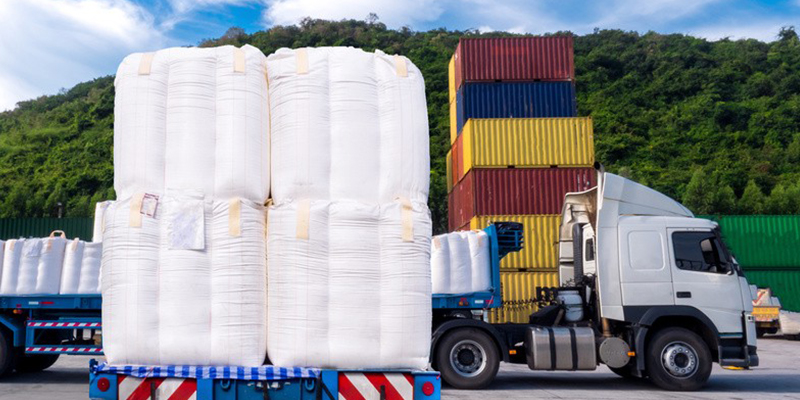
Pharmaceutical powders vary widely in terms of moisture tolerance, electrostatic behavior, and contamination risk. Evaluating product characteristics helps determine the appropriate liner barrier, fabric density, and anti-static classification. Selecting packaging that aligns with product sensitivity reduces degradation and ensures regulatory approval.
Every pharmaceutical facility has unique static hazards influenced by humidity, material properties, and equipment type. A static risk assessment helps determine whether Type C or Type D FIBCs are appropriate. Proper selection enhances operator safety and reduces the risk of ignition or material loss. Anti-static selections often draw on proven conductive solutions offered by specialized producers like Jebic Packaging.
Reviewing supplier documentation—such as compliance certificates, test reports, and quality records—is essential for packaging qualification. Pharmaceutical buyers should confirm that suppliers maintain consistent production standards and can provide traceable batch information when needed. This verification reduces the risk of compliance issues later.
Supply continuity is essential for pharmaceutical operations. Packaging shortages or quality deviations can slow production and disrupt batch release. Working with reliable suppliers who maintain safety stocks, consistent quality, and robust documentation systems helps ensure long-term stability. Suppliers with long industry histories—such as Jebic Packaging, established in 1997—offer stability that is valuable in pharmaceutical supply chains.
Pharmaceutical-grade FIBCs use certified, traceable, and migration-tested materials. These resins, liners, and additives often cost more than general-purpose materials used in industrial bulk bags. However, this investment protects product quality by ensuring compatibility and purity. Cost differences reflect the additional effort required to maintain regulatory compliance.
Manufacturing pharmaceutical-grade FIBCs in clean or controlled environments increases operational complexity and cost. Facilities require enhanced filtration, stricter hygiene standards, and documented cleaning procedures. These measures reduce particulate contamination and improve packaging reliability. Industrial FIBCs do not require such conditions, making them less expensive but unsuitable for pharmaceutical applications.
Pharmaceutical packaging requires extensive testing and documented quality control. Migration testing, seam validation, and batch traceability result in additional administrative and laboratory effort. This documentation supports audits and regulatory submissions. While it increases cost, it also reduces compliance risk and potential supply chain disruptions.
Pharmaceutical-grade packaging provides a significant risk mitigation benefit. Contamination events, recalls, or batch failures can cost millions and damage brand reputation. Investing in higher-quality packaging reduces these risks by ensuring consistent performance and compliance. Experienced packaging suppliers reduce unforeseen risks, and long-established companies such as Jebic Packaging demonstrate how proven quality systems help pharmaceutical customers avoid costly quality events.
Pharmaceutical-grade FIBCs offer stronger protection, cleaner materials, and better compliance than standard bags, and they support safer handling of sensitive powders. These bags use advanced liners, antistatic options, and full traceability to ensure quality. Though they cost more, they deliver greater safety and reliability. Suppliers like Jebic Packaging enhance this value with hygiene-focused designs and conductive FIBC solutions that support demanding pharmaceutical needs.