
Views: 0 Author: Site Editor Publish Time: 2026-02-10 Origin: Site


Are all bulk bags made the same, or does the process behind them shape their performance? Many buyers now look closely at the FIBC bags manufacturing process to understand how fibc bags are made step by step and why material choices matter. This guide explains the key fibc materials, the stages that define quality, and what to expect from reliable products like those from Jebic Packaging. In this article, you will learn how each step influences strength, safety, and long-term value; learn more about our products.
Polypropylene remains the core material for most fibc bag production because it delivers strong performance under heavy loads and repeated handling. Manufacturers choose it for its balance of strength, flexibility, and resistance to moisture, chemicals, and UV light. Once converted into tapes, polypropylene becomes the woven structure that enables high safe working loads without significant deformation. These features allow FIBC bags to remain stable during filling, stacking, and transport. Since the fibc bags manufacturing process relies heavily on the consistency of PP resin, controlling its quality ensures that each bag meets predictable engineering performance over long service cycles.
Material specifications such as denier, GSM, and yarn strength determine how durable a bag becomes and directly influence its safe working load. Higher GSM fabric can support heavier materials while resisting wear from sharp or abrasive particles. Denier contributes to overall tensile strength, helping the woven structure endure dynamic forces during filling and discharge. When a fibc material selection guide recommends certain specs, it reflects the anticipated stresses of specific industries. A chemical manufacturer may require higher tensile strength, while a grain processor may prioritize tear resistance. Choosing the right specs ensures safety and extends service life.
Many operations use coatings and liners to protect sensitive materials. Laminated fabric shields contents from moisture and prevents fine powders from sifting through the fabric. Breathable fabric remains essential for products that require airflow, such as some agricultural goods. Internal liners add an extra layer of protection when contamination or moisture intrusion would create major losses. These liners range from simple tubular PE liners to aluminum foil structures for oxygen-sensitive materials. Matching the right liner to the product ensures handling efficiency, material purity, and improved safety during storage and shipping.
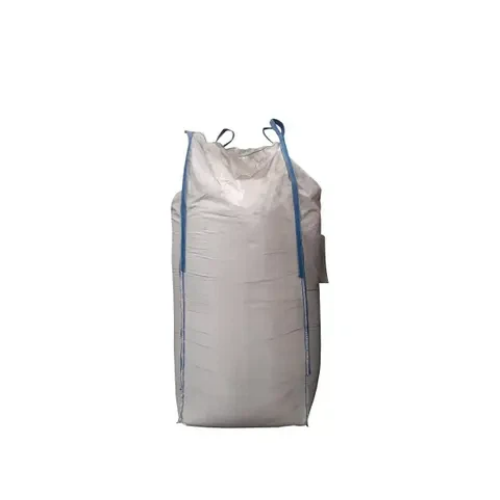
Extrusion marks the starting point of how fibc bags are made step by step. Polypropylene resin melts in an extruder and forms sheets that are stretched into tapes. These tapes vary in width and thickness depending on the bag’s strength requirements. Proper molecular alignment during stretching increases the tensile strength of the tapes, preventing breakage during weaving or use. If extrusion quality fluctuates, weak points emerge in the final woven structure, compromising bag reliability. Consistent tape properties ensure predictable fabric strength, which becomes especially important for heavy-duty FIBC applications.
Once tapes are wound onto bobbins, weaving begins. Circular looms create seamless tubes used in many standard FIBC bags, while U-panel weaving produces flat sections for rectangular or four-panel designs. The weaving density, tension, and pattern affect how loads distribute across the fabric. A consistent weave prevents burst failures and helps bags maintain their shape under compression. Because the fibc bags manufacturing process depends on this stage for structural integrity, manufacturers monitor loom performance closely to ensure uniform strength across every meter of fabric.
If the application requires a moisture barrier, fabric then passes through lamination equipment that applies a thin coating of polypropylene. This layer prevents moisture absorption and protects sensitive products from contamination. Lamination also prevents fine powders from escaping through microscopic fabric gaps. Industries such as food processing, powdered chemicals, and minerals rely heavily on laminated fibc bags. Every lamination must remain uniform so that weak spots do not compromise product safety. When breathability is necessary, bags skip lamination and move directly to cutting.
Automated cutting machines slice woven rolls into the exact dimensions needed for bag construction. Precision is essential because uneven cuts create structural stress points that reduce safe working load capacity. Each panel, including sides, bases, and tops, must fit together cleanly. This stage also influences how efficiently bags stack, fill, and discharge. Companies using automated cutting technology achieve greater uniformity, which leads to fewer defects and improved long-term performance. Because cutting defines the final bag shape, it plays a major role in the fibc bags manufacturing process.
Sewing technicians assemble the final product by stitching panels, attaching lifting loops, and reinforcing stress areas. Bags intended for food-grade applications are sewn in cleanroom environments to ensure sanitation. Stitch type, stitch density, and thread quality determine seam strength. Lifting loops must match safe working load requirements and undergo extra reinforcement. Skilled sewing adds enormous value because even small inconsistencies can reduce a bag’s ability to withstand heavy loads. After sewing, bags move to their final quality checks, where loops, seams, and attachments undergo inspection.
Webbing forms the lifting loops that allow equipment such as forklifts and cranes to safely handle loaded bags. These loops must deliver high tensile performance and maintain integrity when exposed to abrasion or repeated handling cycles. The webbing production process includes weaving thicker polypropylene tapes and cutting them to lengths suitable for various loop configurations. Proper loop placement ensures stability during lifting, reducing the risk of tipping or tearing. This step plays a vital role in overall handling safety across manufacturing, shipping, and storage environments.
Before reaching customers, FIBC bags undergo final testing that verifies their safe working load, burst strength, and overall performance. Burst tests simulate extreme stress conditions, while drop and jerk tests ensure stability during handling. Bags must pass strict international standards that reflect real-world forces encountered during loading and transport. These tests validate the consistency of the fibc bags manufacturing process and protect companies from product loss or workplace accidents. Testing remains one of the most important steps because it confirms that each bag performs exactly as engineered.
Type A FIBCs offer no electrostatic protection and suit non-flammable materials. Type B bags provide limited protection with a breakdown voltage below 6 kV but still cannot prevent sparks. Their manufacturing focuses on fabric strength rather than conductive properties. These bags remain common in construction and agriculture where materials do not create flammable dust. Since electrostatic protection is minimal, users must avoid hazardous atmospheres. Manufacturers must ensure these bags meet base performance expectations and structural reliability.
Type C bags incorporate conductive threads woven into the fabric. These must connect to a grounding point during use to safely discharge static electricity. Manufacturing these bags requires strict control because even one broken conductive pathway can lead to dangerous static buildup. Electrostatic testing becomes part of the final quality protocol. These bags serve industries that deal with volatile powders or explosive dust environments, making reliability essential.
Type D bags disperse static electricity without grounding, using specialized antistatic fabrics or coatings. Their manufacturing involves adding additives or applying protective coatings that maintain static control properties over repeated handling cycles. This makes them suitable for industries where grounding is impractical. They require strict quality oversight to ensure coatings and additives remain active throughout the bag’s service life.
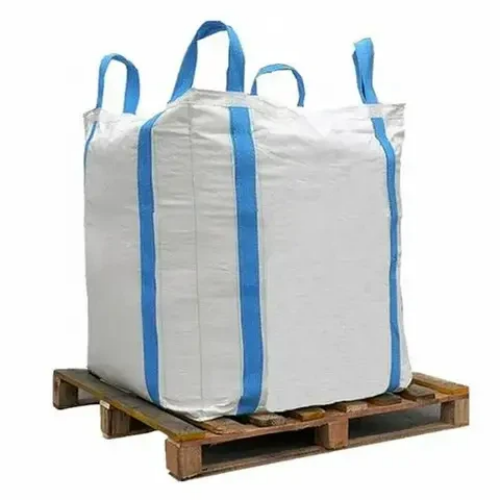
Fabric GSM and denier determine how much weight a fibc bag can safely carry. Heavy loads require higher GSM fabric to resist stretching and tearing. High denier yarns improve tensile strength and help maintain bag shape during stacking. By choosing the right combination, operations avoid unexpected bag failure and ensure predictable performance across repeated uses. These metrics allow companies to optimize safety factors while fitting within cost constraints.
Coated bags prevent moisture intrusion and provide superior protection for powders, minerals, and food ingredients. When handling hygroscopic products, laminated fabric becomes essential to prevent clumping or spoilage. Uncoated bags support airflow and suit materials that release moisture or require ventilation. Selecting the right coating strategy improves product quality and reduces waste, especially in humid environments.
Liners enhance purity, flow behavior, and moisture protection. Some products require form-fit liners that match the bag’s shape to prevent material lodging in corners. Aluminum liners provide strong gas and moisture barriers for sensitive goods. Antistatic liners protect operators from static discharge when filling volatile powders. These decisions influence filling speed, flow consistency, and regulatory compliance across industries.
Loop choices such as cross-corner, side-seam, or extended loops influence how easily bags engage with machinery. Cross-corner loops improve forklift alignment, while larger loops support crane lifting. Matching loop designs with equipment improves operational efficiency and reduces handling risks during loading or stacking.
Liner Types and Technical Advantages
Liner Type | Ideal Application | Key Benefit |
Form-fit PE liner | Food, fine powders | Maintains shape and reduces residue |
Tubular PE liner | General dry materials | Fast insertion and cost-effective |
Aluminum liner | Moisture-sensitive goods | High moisture and gas barrier |
Antistatic liner | Flammable powders | Static protection |
Baffle liner | Powders needing shape retention | Improves stacking and reduces bulging |
Tip: Always evaluate liner compatibility with your discharge equipment to prevent clogging or inconsistent material flow.
Circular bags come from seamless tubular fabric, offering cost-effective strength for everyday use. Four-panel bags use stitched panels that create a more square shape and increase stack stability. Manufacturing four-panel bags requires additional cutting and sewing, but results in improved load distribution. Users choose based on how much shape retention and stacking efficiency their operations require.
Baffle bags include internal panels that control how material settles. This design maintains a cube-like shape, optimizing container and truck space. Manufacturing baffle bags requires precise sewing of baffle panels to allow airflow while limiting outward bulging. These bags improve storage density and reduce shipping costs.
Top designs affect filling efficiency. Duffle tops support varied filling machines, while spout tops enable controlled filling of powders. These components require accurate stitching to handle flow pressure. Open tops suit materials that require rapid loading. Each configuration affects user workflow and must be chosen based on the filling environment.
Quality checks begin early in the fibc bags manufacturing process. During extrusion, tape thickness and tensile strength undergo routine verification. During weaving, fabric appearance and mechanical properties must meet specifications. These checks eliminate weak batches early and maintain consistent product quality across large production volumes.
Manufacturers perform burst tests, drop tests, and cyclic loading tests to verify safe working load. These tests confirm that bags function safely under expected stresses. Certification ensures global compliance and gives buyers confidence when transporting heavy materials.
Inspectors examine seams, loops, coatings, and overall construction before packaging. Small defects such as skipped stitches or uneven coating can lead to failure during use. Thorough inspection helps avoid operational delays, prevents material loss, and maintains user safety.
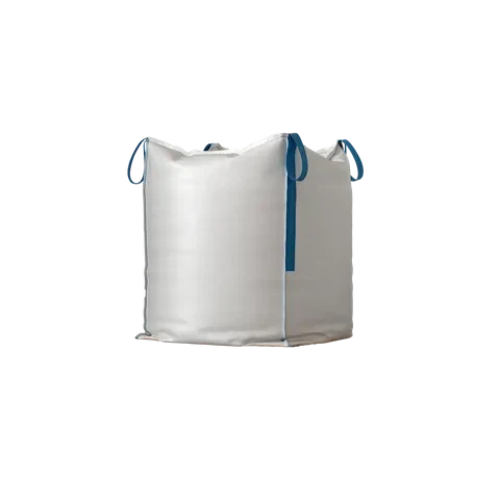
Custom sizes allow operations to optimize container space and reduce shipping costs. Manufacturers adjust panel sizes, GSM, and loop lengths to create bags engineered for specific applications. This customization increases efficiency and supports automated filling or lifting systems.
Printing allows manufacturers to add handling instructions, product warnings, or branding. Food-grade bags often require traceability information. High-quality printing ensures readability even after repeated handling or exposure to dust.
Custom discharge spouts, cone tops, and document sleeves support specific operational needs. Powder operations may require anti-static features, while agricultural goods may benefit from easy-open duffle tops. These components enhance usability and lower operating costs.
Common Customization Options and Operational Benefits
Feature | Custom Option | Benefit |
Lifting loops | Cross-corner, extended | Better forklift engagement |
Discharge spout | Various diameters | Improved flow control |
Fabric strength | GSM, denier | Supports heavier loads |
Printing | Multi-color, warnings | Improved safety and branding |
Liners | PE, aluminum, antistatic | Protects product quality |
Food and pharmaceutical materials require strict quality and hygiene controls. FIBCs for these industries must be produced in cleanrooms and use FDA-approved materials. Liners protect against moisture and contamination. Manufacturing consistency ensures these bags maintain purity across long storage periods.
Chemicals often require conductive or static dissipative bags to avoid ignition hazards. Mining materials demand high abrasion resistance and strong lifting loops. These sectors rely on reinforced seams and higher GSM fabrics to withstand rough handling environments.
Agricultural products often need lamination for moisture protection, while construction materials require bags with high SWL ratings. Open-top bags work well for gravel or sand, while baffle bags suit grain storage. Each industry uses fibc bags differently, making proper material selection essential.
Before shipping, bags are compressed into bales to reduce storage volume. This process preserves bag shape while simplifying palletizing. Proper compression helps companies minimize shipping costs and maintain product condition throughout the supply chain.
Unused bags must remain dry and protected from sunlight. UV rays weaken polypropylene and reduce safe working load capacity. Temperature and humidity control help maintain fabric strength. Storing bags properly extends their usable lifespan.
Traceability labels help identify production batches and speed up quality investigations if a defect appears. Batch tracking also helps companies maintain compliance and maintain high product reliability over time.
Best Practices for Storing Empty FIBC Bags
Requirement | Recommended Action | Operational Benefit |
UV protection | Store indoors or shaded | Prevents fabric degradation |
Moisture control | Keep dry and ventilated | Maintains tensile strength |
Rotation | Avoid long-term compression | Preserves loop integrity |
Batch records | Use clear labeling | Improves traceability |
Note: Inspect loops and seams before use, even when bags appear new.
The fibc bags manufacturing process turns polypropylene into durable bulk handling solutions, and knowing how fibc bags are made step by step helps buyers choose materials that improve safety and reduce waste while supporting efficient storage. Proper GSM, denier, loop design, and liners ensure reliable performance in food, chemical, agricultural, and construction settings, and with strong quality control, these bags stay dependable across the supply chain. Products from Jebic Packaging offer added value through consistent strength and adaptable options tailored to operational needs.
A: The FIBC bags manufacturing process defines fabric strength and safety, and knowing how fibc bags are made step by step helps buyers choose reliable options that fit their handling needs.
A: These specs guide fibc material selection and influence load capacity, durability, and stability during storage and transport.
A: Form-fit, tubular, aluminum, or antistatic liners support powders, food, or moisture-sensitive goods and improve handling efficiency.
A: Custom loops, coatings, and sizes optimize workflows and enhance safety, especially in chemical, agricultural, and construction environments.