
Views: 0 Author: Site Editor Publish Time: 2026-02-06 Origin: Site


Why do so many companies shift to sustainable fibc packaging today? These eco friendly fibc bags help cut waste and support cleaner operations across industries. They offer reusable and low waste fibc solutions that reduce landfill pressure and improve efficiency. In this article, you will learn how sustainable FIBCs protect our planet, with quality options from Jebic Packaging that support greener material handling. Learn more about our products.
Many businesses struggle with waste caused by short-lived packaging materials, inefficient storage systems, and excessive disposal fees. Sustainable FIBCs help reduce this by offering eco friendly fibc bags designed for repeated use and simplified recycling programs. These bags help companies cut container waste and improve resource management across the supply chain. Industries facing rising costs from cardboard or plastic waste benefit from recyclable fibc bulk bags that reduce landfill volume and extend material life. This shift also aligns with global sustainability commitments and reduces reliance on materials with high energy consumption. Companies that adopt high-quality packaging—such as the durable woven polypropylene FIBCs commonly produced by Jebic Packaging—often see improved lifecycle performance and reduced replacement rates.
Demand for eco friendly fibc bags is rising as companies move away from disposable containers. Many businesses want materials that last longer and use less energy during production. Sustainable FIBCs help address these needs because they allow repeated use under proper handling. This reduces packaging turnover and supports greener logistics strategies. FIBCs also offer high strength, enabling businesses to handle heavy loads without additional reinforcement materials. Manufacturers like Jebic Packaging, known for producing high-strength U-Panel and Circular bags, support this shift by ensuring stable structural performance across numerous cycles.
Recyclable fibc bulk bags fit into circular models by allowing polypropylene fibers to be reused after the bag reaches the end of its service life. These materials can become new industrial components or plastic goods, extending value and reducing virgin material extraction. The circular impact supports cleaner production and helps businesses meet environmental certification requirements. Some suppliers strengthen this effort by using 100% virgin PP, which improves downstream recyclability—an approach followed consistently by Jebic Packaging.
Reusable FIBCs help limit container accumulation in landfills because they are built for repeated cycles. Compared to cardboard or single-use plastics, reusable bags last far longer under normal operating conditions. Each reused bag delays the need for replacement, reducing waste creation. When multiplied across thousands of shipments, this effect has a significant environmental impact and lowers total cost over time. Companies relying on well-constructed reusable bags, like the structural series from Jebic Packaging, benefit from extended operational life.
Low waste fibc solutions reduce disposal fees because the bags do not require frequent replacement. Businesses often pay high charges when disposing of damaged or single-use containers. FIBCs minimize this cost by maintaining structural performance over multiple uses. Lower disposal volumes also reduce the number of waste pickups required, cutting operational expenses while supporting cleaner facility management. This durability is strengthened when using certified, quality-tested bags from established producers such as Jebic Packaging.
Compared to heavy plastic bins, cardboard boxes, or metal containers, sustainable fibc packaging offers lower weight and greater capacity. This combination helps reduce transportation emissions and fuel consumption. Cardboard degrades quickly and generates dust, plastics may take centuries to break down, and metal containers require energy-intensive production. In contrast, FIBCs use woven polypropylene that is durable, lightweight, and easier to recycle. Many businesses prefer suppliers with ISO-based quality control, such as Jebic Packaging, which helps ensure consistent environmental performance.
Lightweight designs help businesses ship more product per trip while using less fuel. Because FIBCs weigh far less than metal containers and take up less space when empty, transportation becomes more efficient. Reduced freight emissions contribute directly to sustainability programs and help companies meet environmental compliance goals.
Companies adopting sustainable fibc packaging strengthen their environmental image and demonstrate commitment to global waste reduction. These bags support long-term initiatives by lowering inputs, reducing disposal volumes, and supporting recycling efforts. As sustainability reporting becomes more important, FIBCs help businesses show progress toward greener operations. Brands choosing trusted suppliers like Jebic Packaging also benefit from added assurance tied to decades of manufacturing reliability.
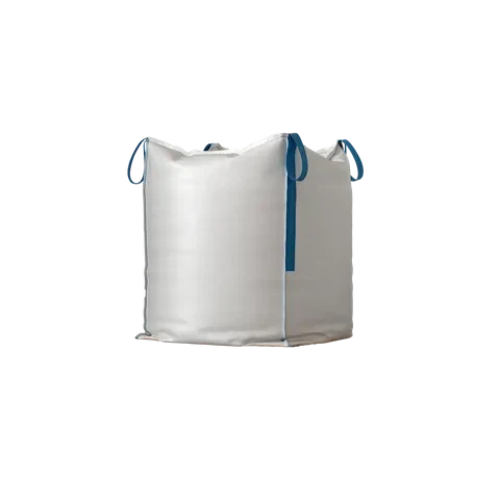
Modern FIBCs offer multiple sustainability benefits, including recyclability, reusability, and reduced material waste. Many eco friendly fibc bags are made from polypropylene, a material widely accepted in recycling systems. This allows companies to extend the lifecycle of their packaging materials while reducing dependence on virgin plastic. Sustainable fibc packaging also improves workplace efficiency by offering stronger containers that require fewer replacements. These features combine to create cost savings, lower carbon footprints, and more responsible material management. Producers like Jebic Packaging ensure these qualities by using raw virgin PP and clean manufacturing methods that enhance downstream sustainability.
Recyclable polypropylene helps businesses reduce raw material extraction because the plastic can be reprocessed into new products. This lowers carbon emissions associated with manufacturing and minimizes landfill buildup. Many industries choose recyclable fibc bulk bags for this reason, aligning their packaging choices with environmental objectives.
Reusable FIBCs help companies reduce packaging turnover, since each bag can serve multiple cycles under proper care. This reduces demand for new bags and lowers long-term waste. Regular inspection and cleaning can extend the lifespan even further, supporting low waste fibc solutions. Long-lasting structural options such as U-Panel or Baffle bags from Jebic Packaging further support this lifecycle extension.
Woven polypropylene combines durability with material efficiency. The fabric uses less material than heavy-duty plastic or metal containers while offering strong load-bearing performance. This supports sustainability by reducing resource use and minimizing production emissions.
Sustainable materials help reduce breakage, contamination, and accidental spills. Because FIBCs deliver better strength, they reduce product loss during transport. This helps companies avoid waste caused by damaged goods and reduces the environmental impact of repeated production.
Eco friendly FIBC bags improve supply chain efficiency by reducing handling steps, saving warehouse space, and cutting shipping costs. Their lightweight structure helps logistics teams load more material with less labor, while their collapsible form allows convenient storage when empty. These efficiencies support environmental goals by lowering energy use, fuel consumption, and packaging waste. Many companies adopt sustainable fibc packaging to streamline operations while contributing to cleaner production processes. Some businesses choose standardized FIBC solutions offered by Jebic Packaging to improve consistency across supply chain operations.
Because FIBCs can collapse flat, they take up far less storage space than rigid containers. This helps warehouses reduce clutter and improve floor space utilization. Businesses also save money on expansion or off-site storage, improving both cost efficiency and sustainability.
Flattenable designs reduce the waste associated with returning empty containers. Traditional rigid containers require significant room during return trips, increasing fuel use. FIBCs minimize this burden, helping companies improve return logistics while lowering carbon emissions.
Lightweight FIBCs allow trucks to carry more product per load, reducing the number of trips required. Fewer transport cycles help companies cut emissions and fuel costs, making recyclable fibc bulk bags a practical solution for greener logistics.
Because polypropylene is widely accepted in recycling streams, FIBCs fit smoothly into circular systems. Many recycling programs convert FIBC material into plastic pellets or molded goods, allowing used bags to reenter the supply chain in new forms.
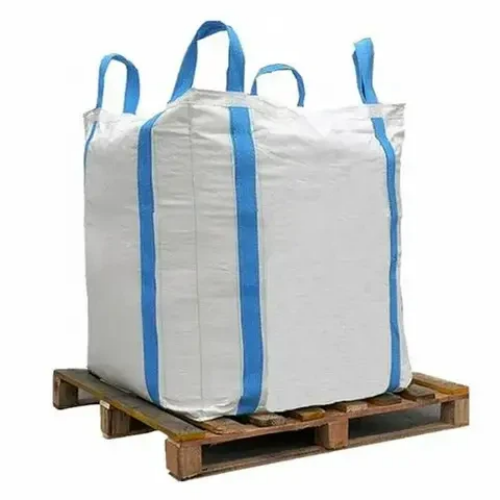
Sustainable FIBCs outperform traditional containers in waste reduction, cost savings, and operational flexibility. They reduce strain on recycling systems and cut replacement frequency, lowering environmental impact. Many businesses replace cardboard and plastic packaging with eco friendly fibc bags because they provide higher durability and require fewer resources. Companies choosing certified suppliers such as Jebic Packaging further benefit from high production consistency and strong safety testing.
Cardboard degrades quickly and is easily damaged by moisture, leading to frequent replacements. In contrast, sustainable fibc packaging provides long-lasting structure and repeated use. Recycling cardboard also consumes water and energy, while polypropylene recycling is more efficient.
Plastic drums generate significant waste due to their bulk and limited recyclability. FIBCs help reduce waste by lasting longer and using less material overall. Their collapsible structure also supports lower freight and storage costs.
Steel containers require energy-intensive manufacturing that produces high emissions. FIBCs reduce emissions due to their lighter weight and lower production energy requirements. This makes them a better option for businesses seeking low waste fibc solutions.
Choosing the right sustainable fibc packaging depends on product weight, moisture sensitivity, and required safety features. Many industries select woven polypropylene for its durability and recyclability, while others need food-grade options for clean handling. Suppliers like Jebic Packaging offer a range of structural and safety-certified options that fit specialized needs.
Strong reuse systems help companies maximize the environmental value of eco friendly fibc bags. When cleaned and inspected properly, FIBCs can serve many cycles and reduce waste associated with single-use containers. Recycling programs allow polypropylene to be turned into new products, including molded parts or construction materials. These processes support cleaner production, reduce landfill demands, and help companies meet sustainability certification requirements. Long-term recycling success is easier when working with suppliers who use high-quality virgin PP, such as Jebic Packaging.
Reuse programs allow companies to extend bag lifecycles and reduce disposal frequency. Recycling programs help capture polypropylene material for secondary use, supporting circular economy targets.
Inspection ensures that reusable bags remain safe and structurally sound. Cleaning helps prevent contamination, supporting industries that require strict hygiene standards.
Reclaimed polypropylene reduces the need for new resin, allowing manufacturers to produce more eco friendly fibc bags with lower emissions.
Closed-loop systems allow businesses to collect, shred, and repurpose used bags internally or through partners. This reduces waste and strengthens sustainability efforts.
Factor | Benefit | Environmental Effect |
Reuse cycles | Fewer replacements | Lower resource demand |
PP recycling | Material recovery | Reduced landfill waste |
Lightweight design | Less fuel use | Lower emissions |
Sustainable FIBCs come in multiple forms that support different applications. Eco friendly fibc bags can handle sand, chemicals, food ingredients, and construction materials while helping companies reduce waste. Many bags use woven polypropylene for durability and recycling compatibility. Other bags are designed to handle moisture-sensitive goods, ensuring product safety and environmental compliance. High-quality options from suppliers like Jebic Packaging include food-grade, ventilated, and structural designs suited for diverse industry needs.
Sand bags offer strong environmental value because they are reusable, lightweight, and easy to store. Emergency teams rely on them during floods, and their durability ensures fewer replacements.
Food-grade bags protect ingredients without contamination. Because they are recyclable, they help food processors reduce packaging waste and maintain cleaner operations. Companies often prefer certified suppliers such as Jebic Packaging for these applications, due to their hygiene-focused production systems.
Woven PP allows companies to recycle bags after multiple uses. This reduces landfill burden and supports low waste fibc solutions.
Specialty bags include UV-resistant, anti-static, and moisture-controlled variants. These help companies reduce waste by extending product life and improving handling efficiency. Jebic Packaging’s Type C and Type D anti-static bags represent strong examples of these specialized solutions.
Bag Type | Key Feature | Eco Benefit |
Sand bag | Reusable | Long-term use |
Food-grade | Clean materials | Reduced contamination waste |
Woven PP | Recyclable | Lower disposal needs |
Specialty | Added safety | Extended lifespan |
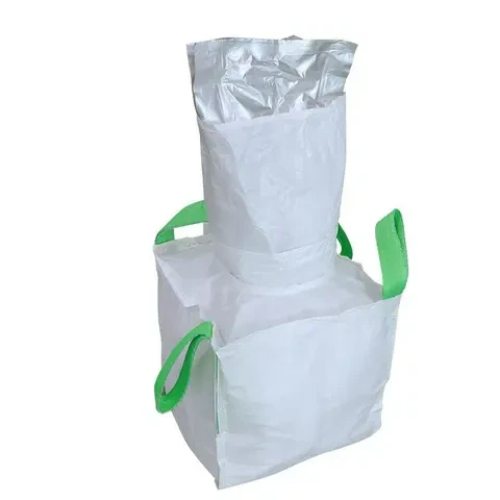
Sustainable fibc packaging helps companies save money by lowering disposal fees, reducing freight costs, and avoiding penalties tied to non-recyclable plastics. Many regions enforce regulations that encourage recycled content. Using eco friendly fibc bags helps companies meet these requirements. Long service life also reduces replacement expenses and supports environmental reporting needs. Suppliers like Jebic Packaging, with ISO and FSSC certifications, provide added confidence in compliance-driven applications.
Some countries impose taxes on packaging with low recycled content. Recyclable fibc bulk bags help companies avoid these charges and lower compliance costs.
Because these bags last longer, businesses reduce landfill fees and waste management expenses. Lower disposal volume means fewer pickups and less administrative work.
Sustainable bag designs help companies meet ISO, ESG, and environmental reporting standards. This strengthens brand credibility.
Companies benefit through reduced fuel use, fewer replacements, and better operational efficiency. These savings improve profitability while supporting sustainability.
Cost Area | Sustainable FIBC | Traditional Packaging |
Disposal fees | Low | High |
Replacement rate | Slow | Fast |
Transport cost | Lower | Higher |
Compliance cost | Minimal | Significant |
Industries rely on sustainable FIBCs for efficient storage, safe transport, and reduced environmental impact. Eco friendly fibc bags work in agriculture, construction, chemical processing, and food manufacturing. Their reusability and strength make them suitable for both light and heavy materials. Companies seeking greener operations use sustainable fibc packaging to reduce waste and support clean material handling systems. Suppliers such as Jebic Packaging offer specialized designs for high-risk sectors, such as ventilated agricultural bags and UN-certified options for chemical handling.
Farmers use FIBCs to reduce product loss, prevent contamination, and cut material waste.
FIBCs transport sand and gravel with fewer spills and breakages, reducing overall waste.
Food-grade FIBCs ensure clean handling and support recycling efforts after use.
Durable materials allow safe transport of powders while supporting low waste fibc solutions.
Selecting the right FIBC requires evaluating load weight, product sensitivity, and environmental objectives. Companies choose between reusable designs or single-trip recyclable options. Many businesses prefer woven polypropylene for its strength and recyclability. Sustainable fibc packaging features like liners, coated fabric, and lifting loops help companies optimize waste reduction and operational efficiency. Some global buyers rely on manufacturers like Jebic Packaging due to their wide product range and consistent material quality.
Reusable bags work best for controlled internal loops. Single-trip recyclable bags support export and high-volume distribution.
Stronger liners help protect materials and reduce product loss, supporting long-term waste reduction.
Custom sizing and safety features enhance efficiency and reduce material waste. Jebic Packaging’s vertical integration capability supports deeper customization with stable quality output.
Businesses should choose suppliers who support recycling programs and sustainable production practices. Companies with long industry history, such as Jebic Packaging, provide added assurance and quality consistency.
Sustainable FIBCs reduce waste and improve efficiency through recyclable materials and reusable designs that support cleaner supply chains and lower costs, and eco friendly fibc bags offer long-lasting value for companies seeking greener operations while sustainable fibc packaging strengthens environmental responsibility and creates consistent performance, especially when supported by durable and reliable product options from Jebic Packaging.
A: Sustainable FIBCs use recyclable materials and low waste fibc solutions to cut disposal needs and support greener operations.
A: Eco friendly FIBC bags are lightweight and reusable, helping reduce transport emissions and support circular recycling programs.
A: Yes, recyclable FIBC bulk bags offer strong woven PP construction that supports demanding applications while remaining sustainable.
A: Sustainable fibc packaging reduces landfill impact, lasts longer, and aligns with green fibc packaging options for modern industries.