
Views: 0 Author: Site Editor Publish Time: 2026-02-24 Origin: Site


Breathable bulk bags, also known as ventilated or breathable FIBCs (Flexible Intermediate Bulk Containers), are critical for industries that deal with moisture-sensitive materials. These bags are equipped with ventilation features that allow air circulation, preventing moisture buildup and maintaining product quality during transport or storage. In this article, we will explore the various uses, materials, and ventilation benefits of breathable bulk bags. Whether you're in agriculture, food production, or construction, understanding these bags' advantages will help optimize your material handling operations. Companies like Jebic Packaging offer reliable, customizable breathable bulk bags designed to meet specific industry needs, enhancing efficiency and sustainability.
Breathable bulk bags are made from woven polypropylene, a flexible and durable material. What sets them apart is the inclusion of ventilation panels or mesh windows that allow air to circulate through the material inside the bag. This ventilation prevents moisture accumulation, reducing the risk of spoilage and contamination. Whether storing grains, food, or other moisture-sensitive materials, these bags ensure that the contents remain dry, free from mold, and safe during transportation or storage.
The ventilation allows for a natural "breathing" process, which helps maintain an optimal environment inside the bag. This makes breathable bulk bags ideal for materials that need airflow to stay fresh, unlike traditional sealed bags that may trap moisture and lead to bacterial growth.
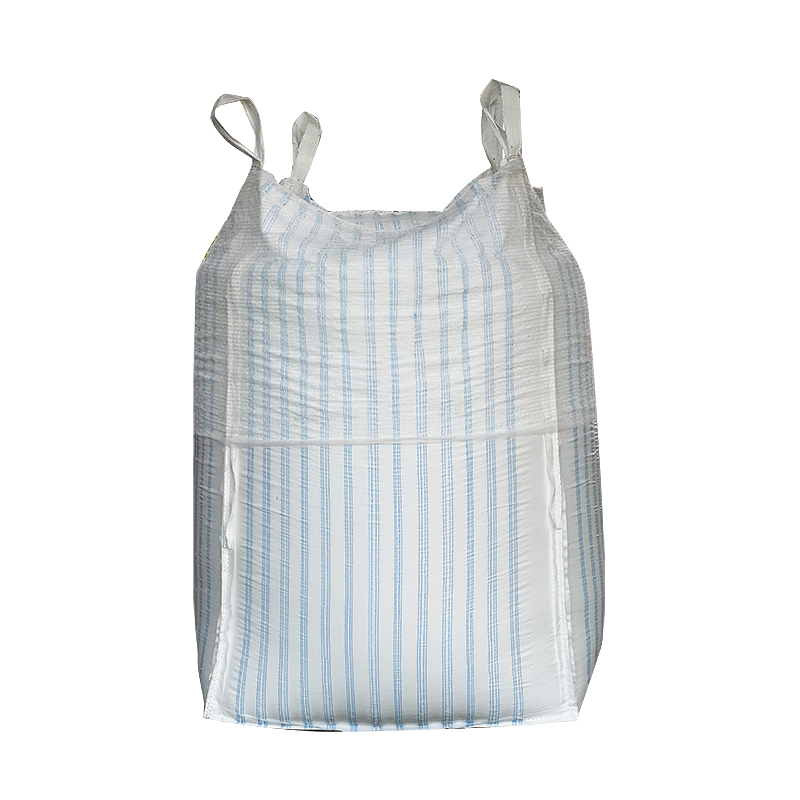
Breathable bulk bags are typically crafted from high-strength polypropylene. The base of the bag is made from durable woven polypropylene fabric, and breathable panels, often made of mesh or perforated fabric, are integrated into the design. These bags are engineered to provide both strength and breathability, making them suitable for a wide range of materials.
Many companies, including Jebic Packaging, offer customized breathable bulk bags with varying mesh sizes or additional protective coatings for added durability or resistance to UV rays. Depending on your requirements, these bags can be made with either partial or full mesh designs, tailored to the type of material being stored.
Material Type | Description | Common Uses |
Polypropylene Fabric | Strong, durable woven fabric that forms the bag's base | General-purpose use |
Mesh Panels | Air-permeable fabric panels that allow ventilation | Agricultural products, chemicals, food |
Perforated Fabric | Fabric with small holes for better ventilation and airflow | Sensitive materials like grains, herbs |
UV Coating | Additional layer to protect against ultraviolet light damage | Outdoor storage and transport |
Breathable bulk bags are particularly useful for products that are prone to moisture buildup, such as grains, chemicals, foodstuffs, or other organic materials. They help reduce the risk of spoilage, mold, or mildew by promoting airflow and regulating temperature and moisture levels. By preventing condensation, they ensure that products remain in good condition, improving both quality and shelf life.
Breathable bulk bags are commonly used in the agricultural sector for storing grains, cereals, and other crops that need to be protected from excess moisture. For example, in the food industry, products like rice, wheat, and dried fruits are often stored in these bags to maintain quality and prevent deterioration. The airflow prevents the buildup of humidity, which could lead to mold growth or a decrease in the product's shelf life.
In addition to crops, these bags are ideal for storing and transporting other food products like spices, nuts, and powdered ingredients. As these materials are sensitive to environmental factors, breathable bulk bags ensure that they remain fresh and dry throughout the entire supply chain process.
Industry | Products Stored | Benefits |
Agriculture & Food | Grains, cereals, dried fruits, rice, wheat | Maintains freshness, prevents spoilage |
Chemicals & Pharma | Fine powders, pharmaceutical materials | Reduces chemical degradation, prevents contamination |
Construction | Cement, sand, gravel, aggregates | Keeps materials dry, prevents clumping |
Breathable bulk bags are also beneficial in the chemical and pharmaceutical industries. Certain chemicals or powders can clump together or become unstable when exposed to excess moisture. By using breathable bulk bags, companies can maintain the stability of their materials, especially those that are highly sensitive to moisture levels. The bags help to reduce the risk of chemical degradation and contamination, making them suitable for storing fine powders, chemicals, or pharmaceutical ingredients.
For sensitive pharmaceutical materials, breathable bulk bags also ensure that air can circulate, minimizing the risk of moisture-induced contamination while maintaining a controlled environment for transport and storage.
Breathable bulk bags are useful in construction for materials like cement, sand, gravel, and aggregates. Construction materials often require storage and transportation in a dry environment to avoid hardening or clumping. Breathable bulk bags offer an effective solution for keeping these materials free from excess moisture during storage and transport. The ventilation helps ensure the materials remain in a usable state when they reach the construction site.
The majority of breathable bulk bags are made from woven polypropylene, a material known for its durability and resistance to environmental wear. Polypropylene is a highly flexible material, making it ideal for bulk bags that need to withstand heavy use. The fabric is woven tightly for strength but allows for the integration of mesh or breathable panels, making it suitable for various storage applications.
Additionally, polypropylene is resistant to UV rays, which makes breathable bulk bags ideal for outdoor storage. It is also resistant to chemicals, adding another layer of protection for materials like fertilizers or agricultural chemicals.
Breathable bulk bags are designed with several ventilation options. One common design feature is mesh panels integrated into the sides of the bag, which allow for continuous airflow. Another option is ventilated windows, which provide more direct airflow to the interior, preventing material degradation due to trapped moisture.
Custom designs can be made to meet specific requirements, such as larger mesh openings for high moisture areas or smaller openings for products that require limited exposure to air.
Ventilation Type | Features | Ideal Use Case |
Mesh Panels | Continuous airflow with fine mesh | Grains, cereals, and temperature-sensitive food |
Ventilated Windows | Larger openings for direct airflow | Chemicals, fine powders, construction materials |
Partial Mesh Design | Mesh panels on select sides of the bag | Agricultural storage, partial ventilation |
Businesses like Jebic Packaging offer the option to customize breathable bulk bags based on individual needs. Whether it’s adding UV protection, increasing the strength of the mesh, or tailoring the size and shape of the bag, custom features can be incorporated to suit specific industries. Whether for bulk agricultural storage or for delicate pharmaceutical products, the ability to modify breathable bulk bags ensures that businesses can get the most out of their material handling.
The primary benefit of breathable bulk bags is their ability to allow moisture to escape, preventing condensation that can lead to mold, mildew, or bacteria growth. Without proper airflow, moisture can build up inside the bag and compromise the quality of the contents. Breathable bulk bags are essential for reducing moisture buildup and maintaining the integrity of products like grains, chemicals, and pharmaceuticals during transit or storage.
In industries like agriculture and food production, where maintaining freshness is a key concern, breathable bulk bags can significantly extend the shelf life of products. The controlled environment inside the bag reduces spoilage risks, making these bags a valuable tool for businesses in these sectors.
In addition to moisture control, breathable bulk bags help regulate temperature fluctuations. For materials sensitive to extreme heat or cold, the ventilation in the bags allows the temperature to stabilize. This is particularly useful for materials stored in hot or humid environments, as the airflow allows for more consistent temperatures, helping to preserve the quality of the product.
For example, when storing temperature-sensitive materials such as dried herbs or organic grains, maintaining a consistent environment can prevent product degradation. The natural cooling effect provided by breathable bags makes them a perfect solution for regulating temperature during transportation or storage.
The ventilation in breathable bulk bags extends the shelf life of sensitive materials by ensuring that they remain dry and well-ventilated. This is especially important for organic materials like grains, seeds, and food products, which can spoil quickly if exposed to excess moisture. Breathable bulk bags provide an effective solution to keep these materials fresh for longer periods, reducing waste and improving profitability.
For industries that deal with bulk materials that require long-term storage, breathable bags offer peace of mind, knowing that the materials are protected from the elements that could compromise their quality.
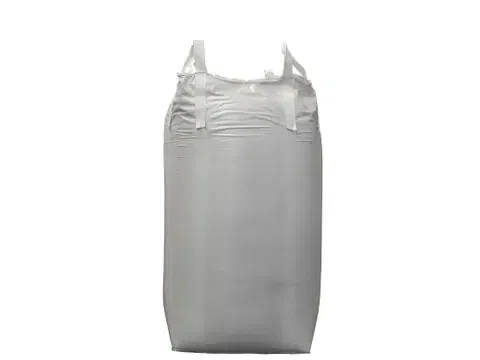
Breathable bulk bags are not only practical but also cost-effective. Compared to traditional storage containers, they offer a lightweight alternative that reduces shipping costs. Their reusability makes them a more economical choice for businesses that need efficient packaging solutions. This reduction in overall costs is particularly beneficial for industries that handle large quantities of bulk materials regularly.
Breathable bulk bags streamline material handling processes by providing easy loading and unloading. Their lightweight nature makes transportation more efficient, while their breathable design ensures that the material inside remains in optimal condition. This increased efficiency allows businesses to focus on core operations without worrying about the condition of their bulk materials.
As businesses increasingly seek sustainable solutions, breathable bulk bags offer an eco-friendly alternative to single-use packaging. Many breathable bags are designed to be reusable, helping to reduce waste. Their durability means they can be used multiple times, making them a greener option compared to traditional packaging methods.
By investing in breathable bulk bags, companies contribute to sustainability efforts by reducing their carbon footprint and minimizing packaging waste, making them a great option for eco-conscious businesses.
Breathable bulk bags provide significant benefits for businesses handling moisture-sensitive materials. Their ability to promote airflow and regulate moisture helps maintain product quality, extend shelf life, and reduce spoilage. Whether in agriculture, food processing, or chemicals, these bags improve material quality and minimize waste. Companies like Jebic Packaging offer customizable breathable bulk bags tailored to your business needs, ensuring safe storage and transport while enhancing sustainability and operational efficiency.
A: Breathable bulk bags, also known as ventilated FIBCs, are designed with air-permeable material that prevents moisture buildup, ensuring the quality of sensitive products like grains or chemicals.
A: The ventilation in breathable bulk bags allows air to circulate, reducing condensation and maintaining the product's freshness by preventing mold or mildew growth.
A: Industries like agriculture, food processing, and pharmaceuticals benefit most from breathable bulk bags, as they help maintain product integrity during storage and transport.
A: Breathable bulk bags enhance material quality by controlling temperature and moisture, which helps extend shelf life and reduce spoilage, offering a more efficient, sustainable solution.