
Views: 0 Author: Site Editor Publish Time: 2026-01-09 Origin: Site


How can bulk transport efficiency using FIBC bulk bag change your logistics flow? In this article, you will learn how jumbo bags reduce handling time, save space, and protect products. With Jebic Packaging products in mind, explore smarter transport choices and learn more about our products.
Rigid containers, drums, and small sacks take up fixed space whether they are full or empty. This leads to poor load efficiency in trucks, containers, and storage areas. More trips are required to move the same volume of material, which increases fuel consumption and handling time. Warehouses can also become crowded, making inventory harder to organize and track. Over time, these space limitations can slow picking, increase search time, and reduce overall operational visibility.
Handling many small packages slows operations and places heavy demands on staff. Workers must lift, stack, and move each unit manually, which raises labor costs and increases the risk of strain or injury. Delays during loading and unloading can create bottlenecks at docks and staging zones, reducing overall throughput. In high-volume facilities, even small delays can ripple through schedules and affect delivery commitments.
Weak or unsuitable packaging can tear or leak during transport, especially when exposed to vibration or rough handling. Spilled material leads to cleanup costs and can contaminate other goods in the same shipment. In regulated industries, contamination may result in rejected deliveries, regulatory review, and lost customer trust. These risks highlight the need for packaging that maintains integrity across long transport routes.
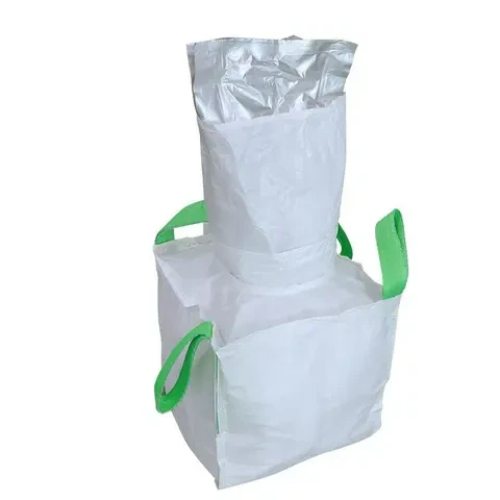
FIBC jumbo bags are designed to carry large volumes in a single unit. This allows more product to move per load, reducing the number of shipments needed to reach the same output. Fewer trips mean lower fuel use, reduced handling time, and less wear on vehicles and equipment. This also helps streamline scheduling and improves predictability in delivery planning.
Integrated lifting loops make it easy for forklifts and cranes to move full bags quickly and securely. This minimizes manual handling and shortens transfer time between trucks, warehouses, and production areas. Faster movement also helps improve safety by reducing physical strain on workers and limiting the need for multiple handling steps.
Top filling spouts and bottom discharge outlets streamline material flow from production to transport. These features allow controlled loading and unloading, which improves speed and reduces waste. Operations can maintain steady production and packing lines with fewer interruptions, supporting higher daily throughput.
Uniform bag shapes allow stable stacking in storage areas and transport vehicles. This makes better use of vertical and horizontal space, helping warehouses store more material in the same footprint. Improved stacking also supports safer storage practices by reducing the risk of shifting or collapse during handling.
When empty, FIBC jumbo bags fold flat and take up minimal space. This reduces the area needed for storage and return transport. Companies can store large numbers of empty bags in small areas, lowering reverse logistics costs and simplifying inventory management for packaging supplies.
The woven fabric construction is strong but light, which lowers the overall load weight compared to rigid containers. Reduced weight often leads to lower fuel consumption and better payload efficiency for trucks and shipping containers. Over long distances, these small savings can add up to meaningful cost reductions.
Feature | FIBC Jumbo Bags | Rigid Containers | Small Sacks |
Empty Storage Space | Very low | High | Medium |
Stack Efficiency | High | Medium | Low |
Load Weight Impact | Low | High | Medium |
Return Transport | Foldable | Fixed volume | Loose handling |
FIBC jumbo bags use reinforced woven materials that resist tearing and abrasion, even when exposed to rough surfaces or sharp edges during loading. This strength helps protect contents during long-distance transport and repeated handling. The fabric maintains its shape and load capacity under heavy weights, which supports stable stacking and safer movement in busy logistics environments.
Secure closures, strong seams, and optional inner liners help prevent leaks and dust release. This reduces the risk of environmental contamination and protects surrounding cargo from damage. Controlled discharge systems also allow operators to empty bags cleanly, which helps maintain orderly work areas and minimizes cleanup time.
Stable lifting points and balanced bag design lower the risk of tipping or sudden drops. Workers can guide loads more confidently with forklifts or cranes, which helps reduce accidents and physical strain. Clear labeling and consistent bag shapes also make it easier for teams to follow safe handling procedures.
Fine powders often require inner liners to control dust and improve containment. Granules and free-flowing materials benefit from smooth inner surfaces and well-designed discharge spouts that reduce sticking and speed up unloading. These features help maintain steady production flow and reduce material loss.
Barrier liners protect against humidity and outside contaminants, which is important for materials that degrade when exposed to moisture. Food-grade bag designs support hygiene standards and help maintain product quality from filling through final delivery, especially in long storage periods.
Conductive and antistatic bag designs reduce the risk of static buildup during filling and discharge. These features are important when transporting materials that could ignite or react to electrical discharge, helping improve overall safety in sensitive handling environments.
Many FIBC jumbo bags are suitable for multi-trip use. This lowers the number of new bags required over time and reduces overall packaging waste. Reusable designs also help companies plan packaging inventories more efficiently.
Higher load capacity and better space utilization mean fewer trips are needed to move the same amount of product. This helps reduce fuel consumption and carbon emissions, supporting sustainability goals and lowering operating costs.
The polypropylene material used in most bags can be recycled. At the end of its service life, the fabric can be processed and reused in other applications. This supports a circular packaging model and helps reduce the environmental impact of bulk transport operations.
The table below highlights sustainability benefits.
Sustainability Factor | Impact Level | Benefit Description |
Reusability | High | Fewer new bags needed |
Emission Reduction | Medium | Fewer transport trips |
Recyclability | High | Material reuse possible |
Waste Reduction | High | Lower disposal volume |
Rigid containers often involve higher purchase costs, regular cleaning, and complex return logistics. FIBC jumbo bags lower these expenses through lightweight construction and collapsible storage, which reduces both transport weight and the space needed for empty packaging. Over time, fewer return trips and simpler handling routines can noticeably reduce overall logistics spending.
Moving fewer, larger units reduces the number of lifts, transfers, and stacking actions required. Workers can move higher volumes in less time using forklifts or cranes, which improves daily throughput and lowers the need for additional staff during peak periods. This streamlined handling also helps reduce fatigue and workplace strain.
Standardized bag sizes and clear labeling make tracking and counting easier. Warehouses can design storage layouts more effectively, improve stock rotation, and maintain clearer visibility of incoming and outgoing materials. This often leads to fewer errors and better planning across the supply chain.
Heavy or abrasive materials need thicker fabric and reinforced seams to prevent wear during transport. Fine or dusty materials often require inner liners to improve containment and limit product loss. Selecting the right design helps protect both the material and the bag, extending service life.
Outdoor storage calls for UV-resistant materials to prevent fabric degradation from sunlight. Humid environments may require moisture barriers to protect sensitive products. Long-distance transport can benefit from higher safety factors that support durability during repeated handling.
Single-trip bags work well for export routes or one-way deliveries where returns are impractical. Multi-trip bags suit closed-loop systems where bags can be inspected and reused. Planning the lifecycle in advance helps control long-term packaging and replacement costs.
Grains, seeds, and feed move in high volumes across farms, silos, and processing facilities. FIBC jumbo bags protect against moisture and contamination while enabling faster loading and unloading, which helps keep seasonal operations on schedule.
Powders and hazardous materials require strong containment and reliable handling features. FIBC bags offer reinforced fabric and optional liners that support safe transport and help meet regulatory requirements.
Sand, cement, and aggregates move in bulk on active job sites. FIBC jumbo bags reduce handling steps, keep materials organized, and help maintain cleaner, safer work areas where efficiency and safety are equally important.
The table below shows common industry uses.
Industry | Typical Material | Key Efficiency Gain |
Agriculture | Grains and seeds | Faster loading |
Chemicals | Powders | Safer containment |
Construction | Cement and sand | Fewer handling steps |
Mining | Minerals | Higher load volume |
FIBC jumbo bags improve efficiency by increasing load capacity and reducing handling time.Their lightweight, collapsible design lowers storage and transport costs across supply chains.With Jebic Packaging's products, businesses gain reliable quality, flexible customization, and long-term value for safer, sustainable bulk transport.
A: FIBC jumbo bags move large volumes safely, reducing trips and handling time.
A: Built-in lifting loops and discharge spouts streamline bulk handling processes.
A: They fold flat, save space, and lower storage and return transport costs.
A: Prices vary by size, fabric strength, and liner options.