
Views: 0 Author: Site Editor Publish Time: 2026-01-20 Origin: Site


How can FIBC bulk bag for cement export change global shipping speed and cost? In this article, you will learn how FIBC products protect sugar and minerals across long supply chains. With Jebic Packaging products in mind, explore smarter export solutions and learn more about our products.
Cement and minerals place constant stress on packaging. Dense loads press against seams during lifting, stacking, and long-distance transport. Abrasive particles can wear down weak fabric, leading to tears or leaks. Exporters need bulk bags that maintain shape and strength under repeated handling. FIBC products use woven polypropylene fabric and reinforced stitching to support heavy loads and resist surface wear, helping ensure stability during crane lifts, forklift moves, and container loading at busy ports. Over time, this durability reduces the need for frequent replacements and lowers the risk of unexpected failures in high-traffic logistics hubs.
Sugar and many mineral products absorb moisture easily. Rain, sea air, and high humidity can damage product quality and increase loss. Dust and foreign particles also create contamination risks during open handling. Export packaging must act as a barrier across long journeys and changing climates. FIBC bags can be fitted with liners and coated fabrics that reduce water entry and limit dust release, helping maintain cleaner handling conditions from warehouse to final destination. These features also support more consistent product quality, even when shipments pass through ports with varying storage conditions.
Cross-border shipments must meet strict rules for labeling, weight limits, and packaging performance. Exporters often need packaging that supports clear identification and safe stacking across different transport systems. Standardized FIBC bag sizes and visible markings help customs teams and terminal workers move cargo with fewer delays. Certified designs also support safer transport practices and reduce the risk of rejected shipments, which can save both time and administrative costs.
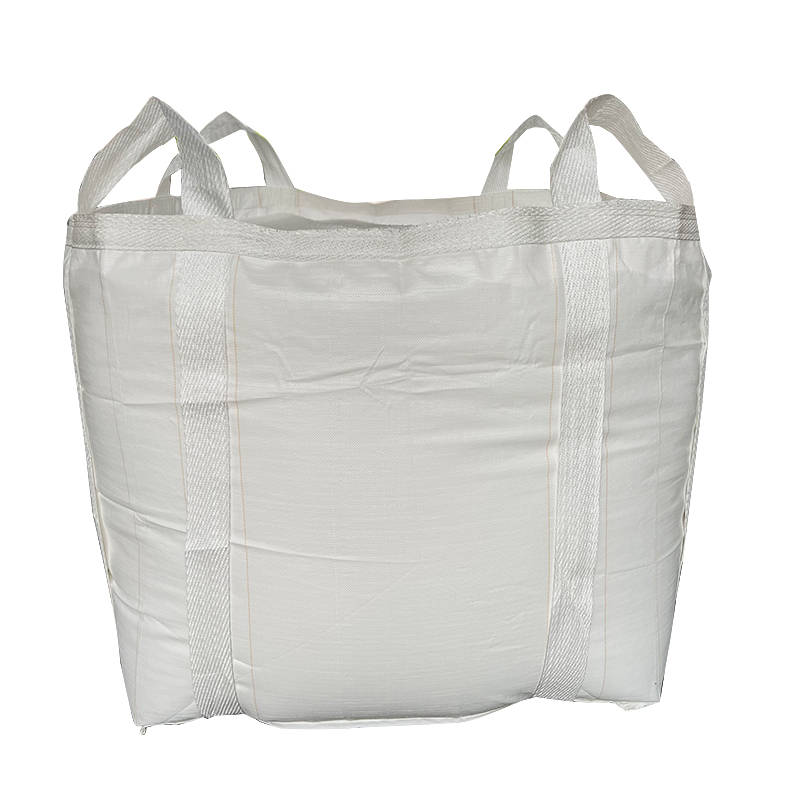
FIBC bulk bags commonly support loads ranging from 500 to 2000 kilograms. Heavy-duty fabric and reinforced seams allow exporters to move larger volumes in fewer units. This reduces the number of lifts and transfers required at each stage of the supply chain. Fewer handling steps often lead to faster turnaround times and lower labor demands, which can be especially valuable during peak shipping seasons.
Rigid containers take up the same amount of space whether full or empty. FIBC bags fold flat after use, which reduces storage requirements and return transport costs. Their flexible shape also helps fill shipping containers more evenly, allowing exporters to use available space more effectively and lower freight costs on long routes. Improved space utilization can also reduce the total number of containers needed for large export volumes.
Some export routes involve long periods of outdoor storage, while others move quickly through multiple transfer points. FIBC products adapt through features such as UV-resistant fabric, moisture liners, and different loop styles. These options allow bags to perform well in a wide range of climates and handling systems, helping exporters maintain consistent performance across regional and international routes.
Cement dust can create health risks and product loss during filling and discharge. Many FIBC bags include filling spouts and sealed tops that help control product flow. These systems limit dust release, reduce cleanup time, and improve working conditions at plants and ports. Cleaner handling also supports compliance with workplace safety standards.
Cement shipments often remain outdoors while waiting for loading or transfer. Prolonged sunlight can weaken packaging materials. UV-stabilized fabric helps slow this degradation, allowing bags to maintain strength and shape during extended storage periods. This added protection supports reliable performance in regions with strong sunlight or high temperatures.
Small leaks can result in significant loss over long journeys. Sift-proof seams and inner liners help block fine particles and moisture, keeping cement dry and contained until final delivery. This level of protection helps exporters preserve product quality and reduce claims related to damaged or contaminated shipments.
Cement Export Packaging Comparison
Feature | Traditional Sacks | Rigid Containers | FIBC Bulk Bags |
Load Capacity | Low | Medium | High |
Dust Control | Limited | Good | Strong |
Space Efficiency | Low | Medium | High |
Reusability | Low | Medium | High |
Sugar easily absorbs moisture, which can cause clumping, discoloration, and spoilage during long journeys. Food-grade liners placed inside FIBC bags create a barrier against humidity and sea air. This helps keep sugar dry and free-flowing during extended storage at ports and long-distance sea and land transport.
Clean handling is essential for food products that move across multiple transfer points. Smooth inner surfaces and sealed closures reduce the risk of residue buildup and outside contamination from dust or pests. These features support safer unloading and help maintain consistent product quality across repeated shipments.
Exporters often seal bags with ties, flaps, or spouts to protect contents during transit. Clear labeling and consistent bag sizing improve traceability, making it easier to track shipment origin, destination, and handling status at each stage of the supply chain. This visibility supports faster inspections and better inventory planning.
Minerals such as sand, ore, and aggregates can quickly wear down weak packaging. FIBC bags use thicker woven fabric and reinforced panels to resist cuts, friction, and punctures. This design supports a longer service life, even in rough handling environments at mines, rail yards, and ports.
Mines and ports depend on fast transfer of heavy materials to keep operations moving. Multiple loop configurations allow cranes and forklifts to lift bags quickly and safely. This reduces manual handling, improves loading speed, and lowers the risk of workplace injuries.
Stable bag shape helps prevent shifting during stacking and container loading. Some FIBC designs use internal baffles to hold a square form, improving container packing efficiency and reducing the risk of tipping or collapse during long-distance transport.
Mineral Handling Performance Features
Requirement | FIBC Design Benefit |
Heavy Load Support | Reinforced seams and fabric |
Dust Control | Liners and tight weaves |
Safe Lifting | Multiple loop options |
Outdoor Durability | UV-resistant materials |
FIBC bags weigh significantly less than rigid containers or palletized packaging. This lower tare weight reduces the total shipment mass, which can lead to lower fuel consumption and freight charges, especially on long-distance or international routes. Over time, these small savings per load can add up to meaningful cost reductions for high-volume exporters.
Many FIBC bags are designed to complete multiple trips when properly handled and inspected. Regular checks of seams, loops, and liners help extend service life and maintain safety. By spreading the initial purchase cost across several shipments, businesses often achieve a lower cost per trip compared to single-use sacks or disposable packaging.
Reusable FIBC bags generate less packaging waste than one-time-use alternatives. Polypropylene fabric can often be recycled at the end of its service life, helping reduce landfill volume. These features support sustainability goals while also improving the public image of exporters focused on responsible and efficient global trade.
Lifecycle Cost Factors
Factor | Single-Use Bags | Rigid Containers | FIBC Bulk Bags |
Purchase Cost | Low | High | Medium |
Reuse Potential | None | High | High |
Storage Cost | Medium | High | Low |
Disposal Impact | High | Medium | Low |
Different facilities rely on different handling systems, such as forklifts, cranes, or hoists. FIBC bags can be designed with cross-corner loops, tunnel loops, or sleeve styles to match these setups. This flexibility allows smoother transfers between storage areas, loading zones, and transport vehicles, reducing delays caused by equipment mismatches.
Some materials generate static electricity or react to moisture during handling and transport. Liners and surface coatings help manage humidity and dust, while static control features improve safety when moving fine powders or sensitive products. These options allow exporters to adapt one bag design to multiple material types and route conditions.
Dense minerals benefit from thicker fabric and reinforced seams to handle abrasion and heavy loads. Food products often require clean liners and sealed tops to protect quality. Exporters select features based on material behavior, climate exposure, and transport distance, which helps reduce product loss and improve shipment reliability.
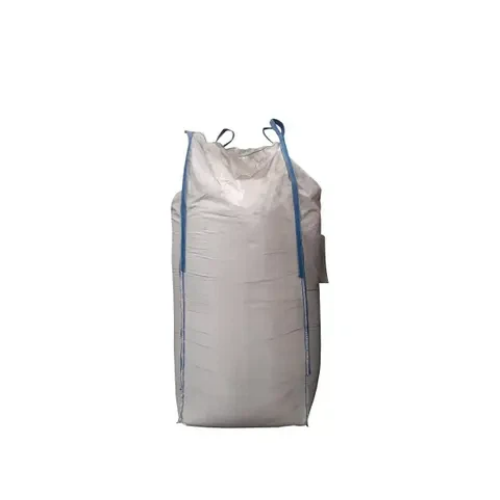
Larger load units reduce the number of lifts and transfers needed. Workers can move more product in fewer steps, which speeds up loading and unloading and helps vessels and trucks meet tight schedules.
Standard bag sizes and clear labeling make it easier to organize storage areas and plan layouts. This improves stock visibility, supports accurate counts, and reduces handling errors in busy terminals.
Mechanical lifting lowers physical strain and fatigue. Stable bag shapes and balanced loop designs reduce tipping risks. Clear handling markings guide safe procedures across different facilities and teams.
Grains, seeds, and animal feed move in large seasonal volumes. FIBC bags protect against moisture and pests while supporting faster transfers from farm storage to ports and processing facilities.
Powders and pellets require strong containment and controlled handling. Liners and static control features help protect both workers and product quality across complex transport routes.
Sand, gravel, and aggregates move to active job sites in bulk. FIBC bags reduce clutter, keep materials organized, and improve safety and efficiency on busy construction sites.
Some bags now include tags or tracking elements that help monitor location and condition during transit. These tools improve visibility across long export routes and support better planning and response to delays.
Manufacturers are exploring recycled and lower-impact fabrics to reduce environmental footprint. These efforts support sustainability goals and align with changing regulations in global trade.
Ongoing testing focuses on stronger seams, improved coatings, and longer service life. These innovations aim to reduce handling risks, extend bag usability, and improve overall performance in demanding export environments.
FIBC products improve export packaging through strength, space efficiency, and safer handling.They protect cement, sugar, and minerals across long global supply chains.With Jebic Packaging's solutions, businesses gain adaptable designs and long-term value.
A: An FIBC bulk bag for cement export is a heavy-duty container that carries large loads safely and reduces dust and handling steps.
A: They use food-grade liners and sealed tops to block moisture and contamination.
A: FIBC bulk bags offer reinforced fabric and stable lifting loops for abrasive, heavy materials.
A: Yes, they save space, reduce freight weight, and support reuse over time.