
Views: 0 Author: Site Editor Publish Time: 2025-12-12 Origin: Site


FIBC Bulk Bags are widely used for storing and transporting bulk materials across many industries. However, filling these bags can present significant challenges. One common issue is poor product dispersion, leading to uneven fills and inefficiencies. In this post, we'll explore these challenges and offer practical tips to overcome them, ensuring more efficient and stable filling.
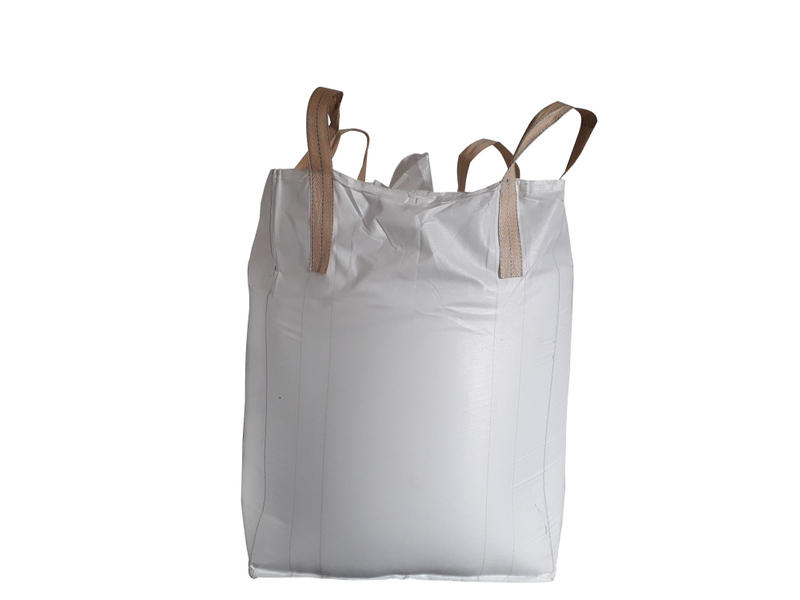
FIBC Bulk Bags, also known as flexible intermediate bulk containers, are large, durable bags used for storing and transporting bulk materials across industries like agriculture, chemicals, construction, and more. These bags come in various types, such as open-top, duffle-top, or spout-top, designed to accommodate different materials and handling needs. Their flexibility and size make them an ideal solution for large volumes of dry, flowable products.
Product dispersion refers to how materials are evenly distributed within the FIBC during the filling process. Proper dispersion ensures that the contents fill all corners of the bag and settle evenly, avoiding the formation of air pockets or voids. If not managed correctly, poor dispersion can lead to inefficiencies, causing product wastage and unstable bags that are hard to stack, transport, and store.
One of the most common challenges in filling FIBC Bulk Bags is incomplete filling, especially in the corners of the bag. The design of the bag and the type of material being filled can lead to areas that are not properly packed. This inefficiency can reduce the bag's capacity and make it harder to stack the filled bags safely.
Another issue arises when the top surface of the bag is uneven. If the materials aren’t distributed evenly or the bag isn’t properly filled, it creates instability during stacking. This can cause the bags to topple over, risking both product loss and damage to surrounding equipment. The uneven surface also impacts the handling process, as unstable bags are harder to move with forklifts or other machinery.
Coning at the top of the bag is another challenge that disrupts the flow of materials during the filling process. This phenomenon occurs when materials accumulate at the top, creating a cone-like shape. This can block the flow of material into the bag, leading to inefficiencies and potential back-up in the filling machinery. Coning results in longer filling times and can also affect the stability of the bag, making it more prone to tipping.
Issue | Cause | Impact |
Incomplete filling | Poor material flow into corners | Reduced bag capacity and uneven distribution |
Uneven top surface | Improper filling or bag design | Unstable stacking, leading to risk of toppling |
Coning at the top | Material accumulation during filling | Blockage in machinery, slow filling process |
Choosing the wrong size of an FIBC Bulk Bag can significantly affect product dispersion. If the bag is too large or too small for the material being filled, it can cause uneven distribution inside the bag. When the bag is too large, the material can flow more freely, but it may not fill all the corners of the bag, leaving gaps. A smaller bag, on the other hand, can restrict material flow, leading to an uneven fill. This results in poor material density and instability.
Additionally, the design of the bag plays a role. Baffle bags, which are designed to maintain their square shape, can hinder proper material flow. This shape restriction makes it difficult for materials to fill the bag's corners, leading to poor dispersion. Instead of flowing smoothly into all areas of the bag, materials may settle unevenly, creating voids that affect bag stability.
Different materials behave differently when they are loaded into FIBC Bulk Bags. One key factor is the angle of repose, which varies for different materials. For example, granular products such as sand have a steeper angle of repose compared to powders like flour. Granular materials tend to settle easily, while powders can form clumps or compact, leading to uneven filling. If the angle of repose is too steep, it can cause the material to pile up unevenly inside the bag, further complicating product dispersion.
Another crucial factor is the flowability of the material. Some products flow smoothly and evenly, while others, such as powders and fine grains, can be more challenging to manage. Poor flowability leads to inconsistent filling, as the material may not disperse properly into the corners of the bag, causing uneven weight distribution and a less stable final product.
Improper handling and filling techniques also contribute to poor product dispersion. If the filling equipment isn’t calibrated properly, it can result in uneven material flow, leaving gaps or excessive product build-up in certain areas of the bag. The filling process itself must be smooth to ensure the material settles evenly, especially when dealing with materials that have varying flow characteristics.
The way the bags are handled during the loading process also plays a role. Using equipment like forklifts can lead to instability if the bags are not properly secured or supported. If the bags are mishandled, they can shift or collapse, causing the material inside to settle unevenly. This can result in instability when stacking or transporting the bags, further worsening the issue of poor dispersion.
Cause | Impact | Effect on Dispersion |
Incorrect Bag Size | Bag too large or small for material | Uneven filling, gaps in corners |
Baffle Bag Design | Maintains square shape, restricting flow | Material doesn't fill corners properly |
Angle of Repose | Varies for different materials | Uneven distribution, settling issues |
Material Flowability | Different materials flow differently | Inconsistent filling, uneven weight distribution |
Improper Handling | Poor filling techniques or unstable handling | Uneven distribution, unstable bags |
Tip: By understanding these common causes, companies can take steps to improve the filling process, leading to better product dispersion and more stable FIBC Bulk Bags.
Choosing the correct FIBC Bulk Bag is crucial for ensuring efficient product dispersion. First, selecting the right bag size is essential. If the bag is too large or too small for the material, it can affect the flow and settling of the contents. An appropriately sized bag ensures better material distribution and maximizes the bag's capacity.
The design of the FIBC also plays a role in the filling process. Options like open-top, flap-top, or spout-top bags are available, each designed for specific materials and handling needs. For example, spout-top bags work best for fine materials, while open-top bags are ideal for bulkier items. The choice of bag design should align with the product’s flowability to ensure smooth filling and even dispersion.
Properly managing the bag’s opening is vital for smooth material discharge. Ensuring that the opening is large enough for easy filling allows the material to flow freely into the bag without obstruction. A restrictive opening can result in uneven filling, especially with products that have low flowability.
In addition, utilizing vibration tables can greatly improve material leveling inside the bag. Vibration helps settle the material evenly, filling all corners of the bag and ensuring uniform distribution. This process not only improves the packing density but also speeds up the filling process by reducing air pockets and voids.
To achieve optimal product dispersion, it is important to use proper loading techniques. The material should be evenly distributed across the entire surface of the bag. Using a center-filling method helps achieve this, as it prevents material from settling unevenly in one area.
Avoiding overfilling or underfilling is equally important. Overfilling can stress the bag, causing it to bulge and become unstable. Underfilling, on the other hand, leads to wasted space and poor use of bag capacity. By following precise filling protocols, companies can ensure consistent and effective material packing.
Automated and semi-automated filling systems are becoming essential in improving the accuracy and efficiency of product dispersion during the filling of FIBC Bulk Bags. Automated systems ensure precise material flow, which reduces human error and guarantees more consistent filling. These systems can control the filling speed, monitor material flow, and adjust automatically, ensuring the product is evenly distributed within the bag.
By reducing reliance on manual labor, these systems eliminate inconsistencies that often arise due to human error, such as improper filling or uneven distribution. The automation of the process also enhances productivity, as it allows for faster filling while maintaining the same high level of accuracy. Semi-automated systems combine the efficiency of automation with the flexibility of manual adjustments, providing a balance between precision and adaptability.
In addition to automated systems, the right equipment is crucial for optimizing material flow during the filling process. Tools like vibration densifiers and compactors help settle the material evenly inside the bag. These devices use vibrations or pressure to ensure the material fills all corners of the FIBC Bulk Bag, improving its stability and density. This also prevents air pockets from forming, which can lead to uneven weight distribution and product instability.
Airflow systems also aid in material settling by preventing blockages and allowing the material to flow smoothly into the bag. A steady air supply helps reduce the risk of clumping, particularly for powders or granular materials. Furthermore, sealing systems and dust control mechanisms play an important role in maintaining a clean and efficient filling process. Proper sealing minimizes material loss, while dust control helps reduce disruptions in the filling line, improving both safety and material integrity.
Technology/Equipment | Benefit | Impact on Dispersion |
Automated Filling Systems | Precise, consistent filling | Even material distribution |
Semi-Automated Filling Systems | Flexibility with accuracy | Faster, reliable filling |
Vibration Densifiers | Evenly settles material, fills corners | Reduces air pockets, improves density |
Airflow Systems | Smooth material flow | Prevents clumping, blockages |
Sealing Systems & Dust Control | Maintains material integrity | Prevents material loss and disruptions |
Worker safety is a critical concern when filling FIBC Bulk Bags, as improper filling or unstable bags can lead to serious accidents. When bags are not filled correctly, they may become unbalanced or unstable, posing a risk of toppling over or collapsing during handling. This can cause injuries to workers and damage to surrounding equipment. Additionally, improper bag placement or overfilling can lead to strain on lifting loops or seams, which might result in catastrophic failures, spilling materials and causing further hazards.
To maintain safety, workers should always follow proper filling protocols. Ensuring that bags are placed securely on stable surfaces and are evenly filled can help prevent accidents. Using appropriate personal protective equipment (PPE) and ensuring that workers are trained in proper lifting techniques is also essential for minimizing risks. Ensuring the bags are well-supported during filling and transport can significantly reduce the likelihood of accidents and injuries.
Equipment damage and downtime are common issues that arise during the bulk bag filling process, particularly when machinery is improperly used or mishandled. Improper handling can lead to the damage of filling machines, conveyor belts, or forklifts, causing production delays and costly repairs. For instance, when forklifts or cranes are used to move bags without proper support or care, they can accidentally puncture or tear bags, leading to spills and wasted material.
To prevent damage, it is important to ensure that all equipment is properly maintained and calibrated. Following best practices for machinery usage, such as avoiding overloading or improper lifting techniques, can also minimize the risk of equipment failure. Regular maintenance checks and proper worker training on equipment handling are essential to keep operations running smoothly and avoid costly disruptions.
Safety Concern | Cause | Prevention Method |
Worker Injury | Unstable bags, improper filling | Proper training, secure bag placement |
Equipment Damage | Mishandling, overloading | Regular maintenance, proper usage |
Downtime | Bag failure, damaged machinery | Monitoring equipment, avoiding overfilling |
Material Spills | Punctured bags, overfilling | Proper handling, use of correct sealing |
Ensuring both worker safety and equipment protection during the filling process requires careful attention to proper procedures and ongoing maintenance, ultimately contributing to smoother, more efficient operations.
This article explored the main product dispersion challenges faced during FIBC Bulk Bag filling. Issues like incomplete filling, uneven surfaces, and coning can hinder efficiency and stability. To overcome these challenges, it's essential to select the right bag, optimize the filling process, and use advanced equipment like automated systems and vibration densifiers. For tailored solutions, Jebic Packaging offers high-quality products and services designed to enhance your filling process, ensuring efficiency and safety.
A: FIBC Bulk Bags are large, flexible containers used for storing and transporting bulk materials. They are ideal for dry, flowable products and offer efficient storage and handling solutions across various industries.
A: To improve dispersion, choose the right bag size, use vibration tables for leveling, and ensure smooth material flow during filling. Proper loading techniques also help evenly distribute material inside the bag.
A: Product dispersion is often hindered by factors like bag size, material flowability, and improper filling techniques. This leads to uneven filling, air pockets, and instability in the bags.
A: Yes, automated filling systems improve product dispersion by ensuring precise, consistent material flow, reducing human error, and increasing efficiency during the filling process of FIBC Bulk Bags.
A: Improper handling can lead to bag instability, material spillage, and equipment damage. It also causes inefficiencies, resulting in delays and increased downtime during the filling process.